The Five Areas of the Montessori Curriculum - What We Offer

Practical life

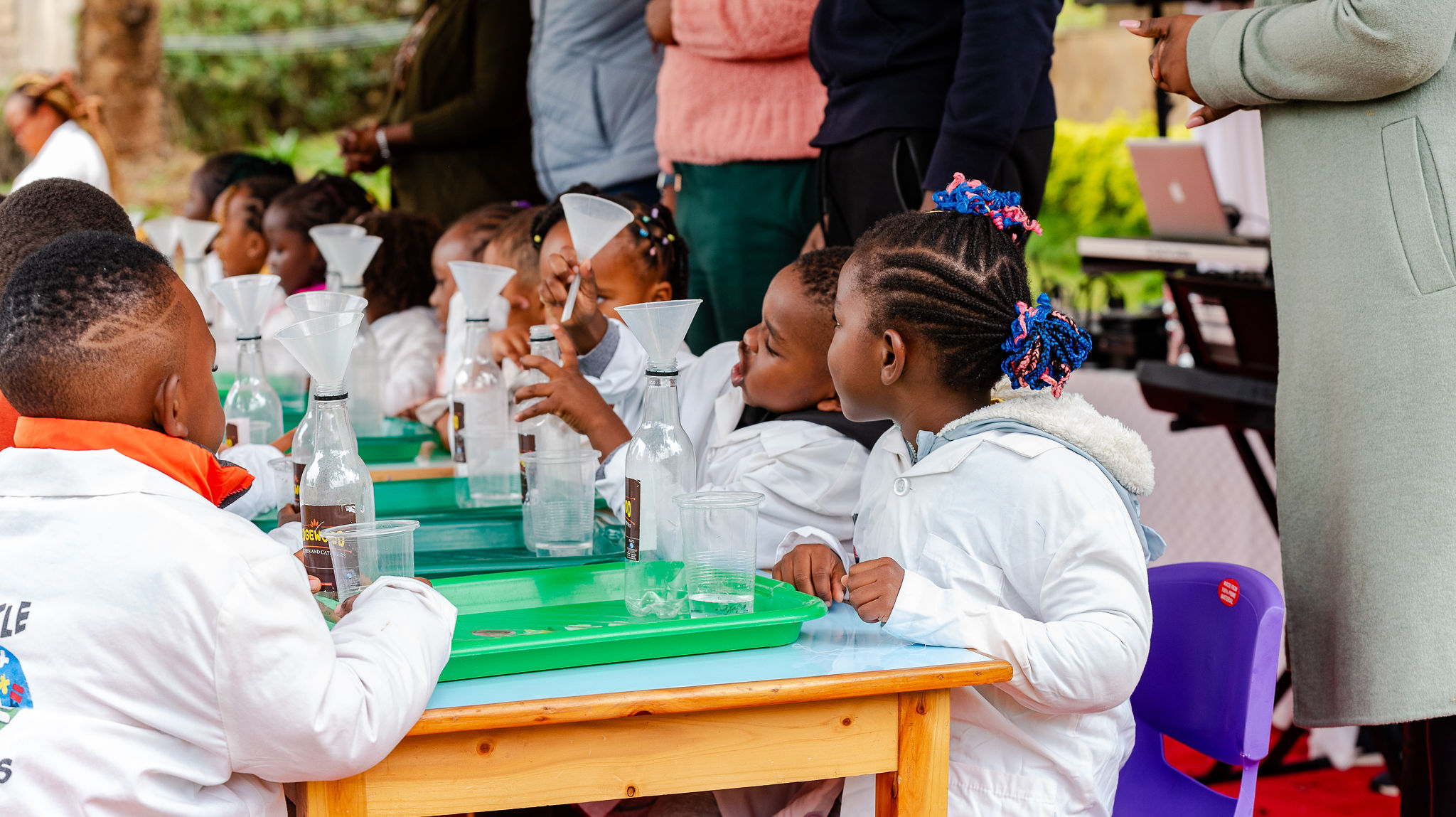
The Montessori Practical Life Curriculum incorporates exercises and activities that children observe in daily life. These activities develop children's independence, concentration, and fine motor skills. Typical practical life activities involve transferring, food preparation, lessons in grace and courtesy, and cleaning.

Sensorial

Sensorial activities teach children to refine their senses of sight, touch, sound, smell and taste so that they are able to organise sensory impressions and their understanding of the world. Through sensorial materials, children learn about similarity and difference, dimensions, colours and shapes, and distinguish between smells, taste and sound. Sensorial work also prepares children for mathematics, language and geometry by teachin children how to classify and sort. 目
Touch (tactile)
Smell (olfactory)
Taste (gustatory)
Sound (auditory)
Stereognostic (kinaesthetic)

Language

The Montessori Language Curriculum provides children with the knowledge and skills to build their vocabulary and understanding of language. The skills required for reading, writing and oral language are developed through hands-on experience using the Montessori language materials. Children learn letter sounds (phonics), letter identification and formation, how to combine sounds to make words, how to build simple sentences, and how to properly hold a pencil. Oral language skills are developed through daily social interactions, group time experiences, and lessons in grace and courtesy.

Numeracy

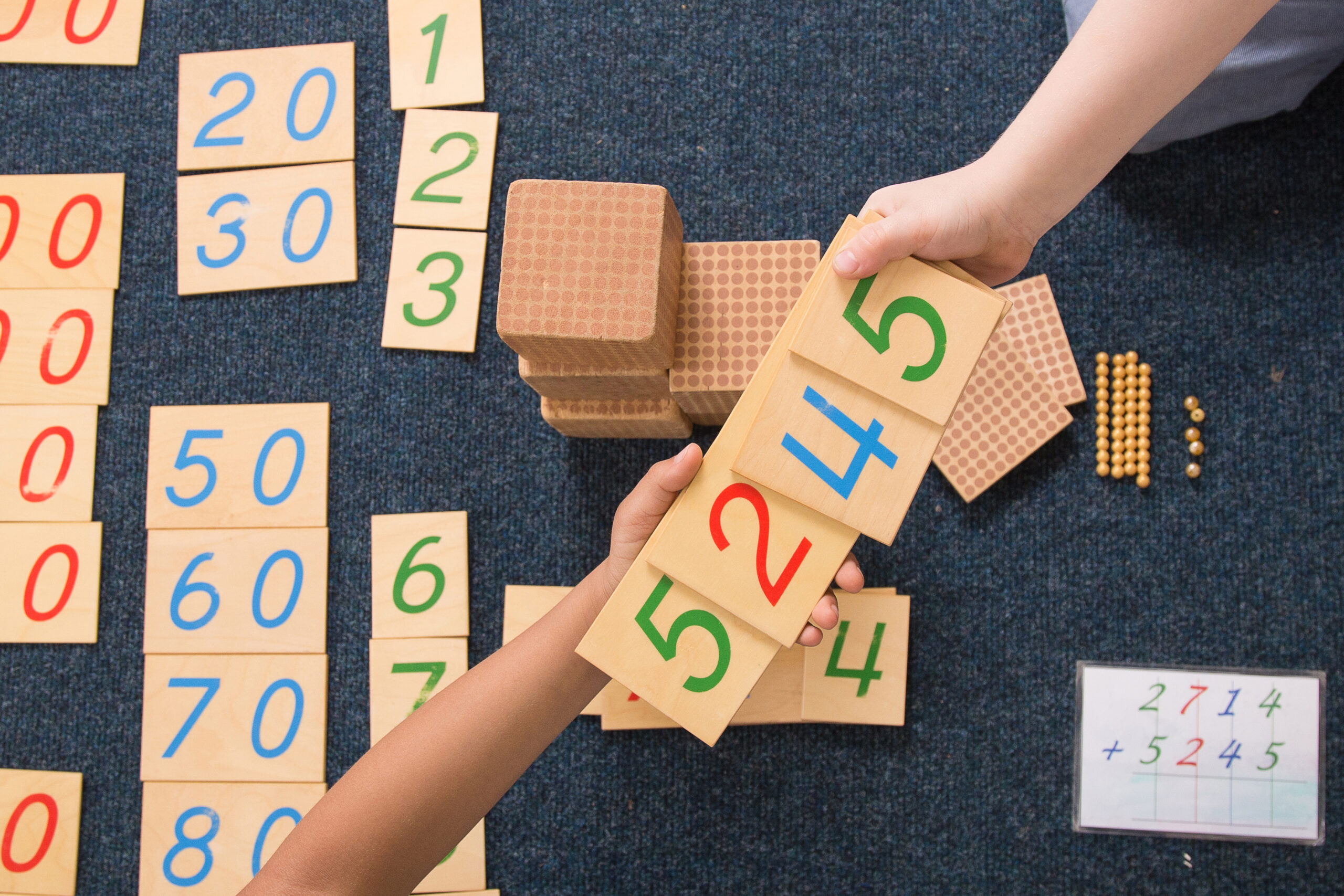
The Mathematics Curriculum teaches children to understand abstract mathematical concepts and relationships through hands-on learning experiences. Children learn to count, identify and match numerals to their quantity, relate decimal quantities and symbols, and become aware of the functions of addition, subtraction, multiplication and division by using the Montessori materials.

Numeracy

The Mathematics Curriculum teaches children to understand abstract mathematical concepts and relationships through hands-on learning experiences. Children learn to count, identify and match numerals to their quantity, relate decimal quantities and symbols, and become aware of the functions of addition, subtraction, multiplication and division by using the Montessori materials.

Culture

The Culture Curriculum incorporates a wide range of subjects, including: Geography, Botany, Zoology, Science, History, Music and Art. Through explorations of culture, children develop an understanding of their community, their world, and their social responsibilities. Children learn to respond to diversity with respect, appreciate music and art, and develop awareness of sustainability.

Enquire Now